

Why Data is Your Most Valuable Asset in 2026
It’s May 2026. If you’re still thinking of data as a "byproduct" of your business operations, you’re already behind.
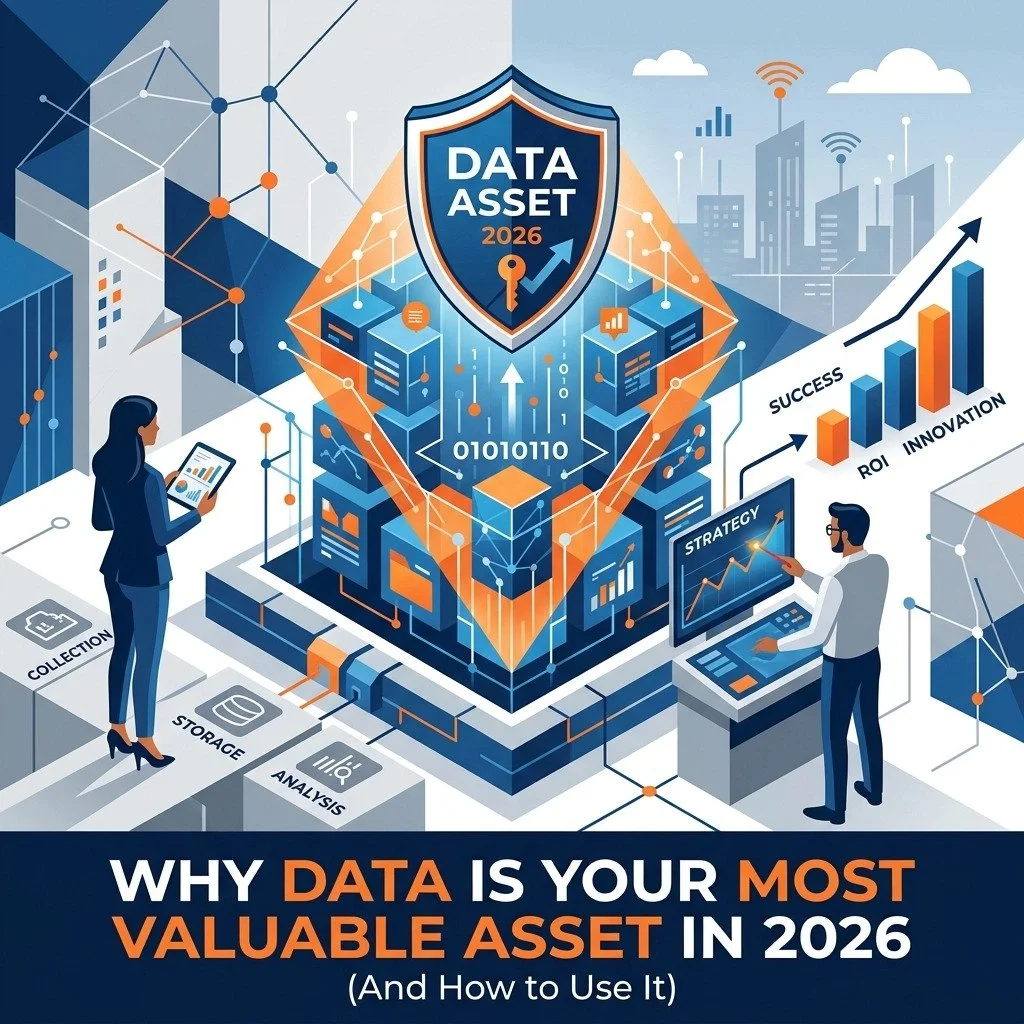
For years, we talked about data being the "new oil." But oil is a raw commodity that you burn once and it’s gone. In 2026, data has evolved into something much more powerful, a compounding strategic asset. It’s more like high-yield interest than a fuel source. The more high-quality data you have, and the better you manage it, the more valuable your entire organization becomes over time.
Full Score Data Solutions has spent the last few years helping companies navigate the transition from collecting everything to using the right things. I’ve had my own realizations along the way, too. The hard truth? Most businesses are drowning in information and don’t even know what is possible.
In this landscape, data isn't just a competitive advantage. It's a survival requirement.
The 2026 Reality: Volume is Noise, Quality is Signal
We live in an era of unprecedented data generation. Just look at the numbers. By the start of last year, AI had already generated over 15 billion images. That’s more than the entire history of photography before it and a staggering amount of noise.
Here’s the thing: Having "Big Data" doesn't mean anything anymore.
In the early 2020s, companies obsessed over the size of their data lakes. In 2026, those lakes have often turned into data swamps. If you can’t find what you need, or if the data you find is inaccurate, that "asset" is actually a liability. It's costing you storage fees, slowing down your systems, preventing you from making data driven decisions, and leading your AI models astray.
If you want to win today, you have to shift your focus from quantity to quality.
We’ve seen it time and time again. A company tries to implement a massive analytics or AI overhaul, only to realize their customer addresses are inconsistent and their sales figures are double-counted across three different systems. This means there is no reliability in the data, which makes data driven decisions hard to come by.
Why Data is Your Only Real Survival Kit
Why is data so central to survival in 2026? Because the market has evolved past "gut feelings."
Your competitors are using real-time data to optimize supply chains, personalize marketing down to the individual user’s current mood, and predict churn before the customer even knows they’re unhappy. If you’re still relying on a monthly PDF report or spread sheet to make decisions, you’re playing a different sport.
Data fuels your AI, and AI is your execution engine.
But here’s a realization I had recently: we need to stop calling it "AI" and start calling it "automated intelligence." The AI effect has moved us to a place where the technology is invisible. What remains visible is the result. And that result is only as good as the data feeding it.
Those who can store data efficiently, access it instantly, and trust its integrity have a decisive edge. This is why data maturity matters more than the AI tools you buy.
The Compounding Nature of Data Assets
Think of your data like a garden. If you plant the right seeds (high-quality inputs) and tend to them regularly (data governance), the garden grows and provides more value every year.
Historical Context: Your data gives you a memory that no new competitor can buy.
Predictive Power: The more historical data you have, the more accurately your models can forecast the future.
Process Automation: Clean data allows you to automate the boring stuff, freeing your humans to do the creative stuff.
If you aren't building this asset now, you are essentially starting from zero every single morning. Your competitors aren't. They are building on top of what they learned yesterday.
How to Actually Use Your Data (The 2026 Playbook)
Knowing that data is valuable is one thing. Actually extracting that value is where most people stumble. I’ve learned that the most successful organizations follow a specific pattern. They don't start with the "shiny objects"; they start with the strategy.
1. Strategy Before Tools
Before you sign a contract for a new analytics platform, ask yourself: What business problem am I trying to solve?
Too many leaders fall into the trap of buying technology and then looking for a problem to fix with it. We call this the "Strategy Before Shiny Objects" approach. If you don't know where you're going, the fastest car in the world won't help you get there.
2. Prioritize Speed and Trust
In 2026, real-time isn't a luxury; it's the standard. If it takes your team three days to pull a report, the opportunity has already passed.
But speed without trust is a recipe for disaster. You need a Single Source of Truth. You need to know that when the dashboard says your conversion rate is 4.2%, everyone in the company is looking at that same 4.2%.
3. Embrace the Hybrid Cloud and Zero-Copy
The architecture of 2026 is all about flexibility. You shouldn't have to move your data every time you want to analyze it. Zero-copy integration allows you to query your data where it lives and create a scalable data ecosystem. This saves money, increases security, and, most importantly, saves time.
4. Human-Centric Data Literacy
Data isn't just for the data people anymore. In a world of AI vs. the human brain, the winners are the humans who know how to ask the right questions of the machine.
You need to invest in training your team to understand what data means. They don't need to be data scientists, but they do need to be data-literate. I can’t even count how many times a “non-data” person asked the right question and solved a unique challenge. Everyone needs to understand that data is a shared responsibility, not just an IT task, and that it can offer anyone the insight needed to do their job better.
The Myth of the Magic Box
I need to be direct with you here, there is no magic box or one dashboard to rule them all.
I see a lot of executives who think they can just "buy some AI" and it will magically fix their messy data and broken processes. It’s a myth.
Technology is an accelerant. If you have a great strategy and clean data, it will accelerate your growth. If you have a confused strategy and messy data, it will only accelerate your failure.
You have to do the work. You have to clean the pipes. You have to define the metrics that actually matter. It’s not the glamorous part of the job, but it’s the only part that yields a long-term return on investment.
Starting Small (But Starting Now)

If this feels overwhelming, don't worry. You don't have to boil the ocean. In fact, you shouldn't.
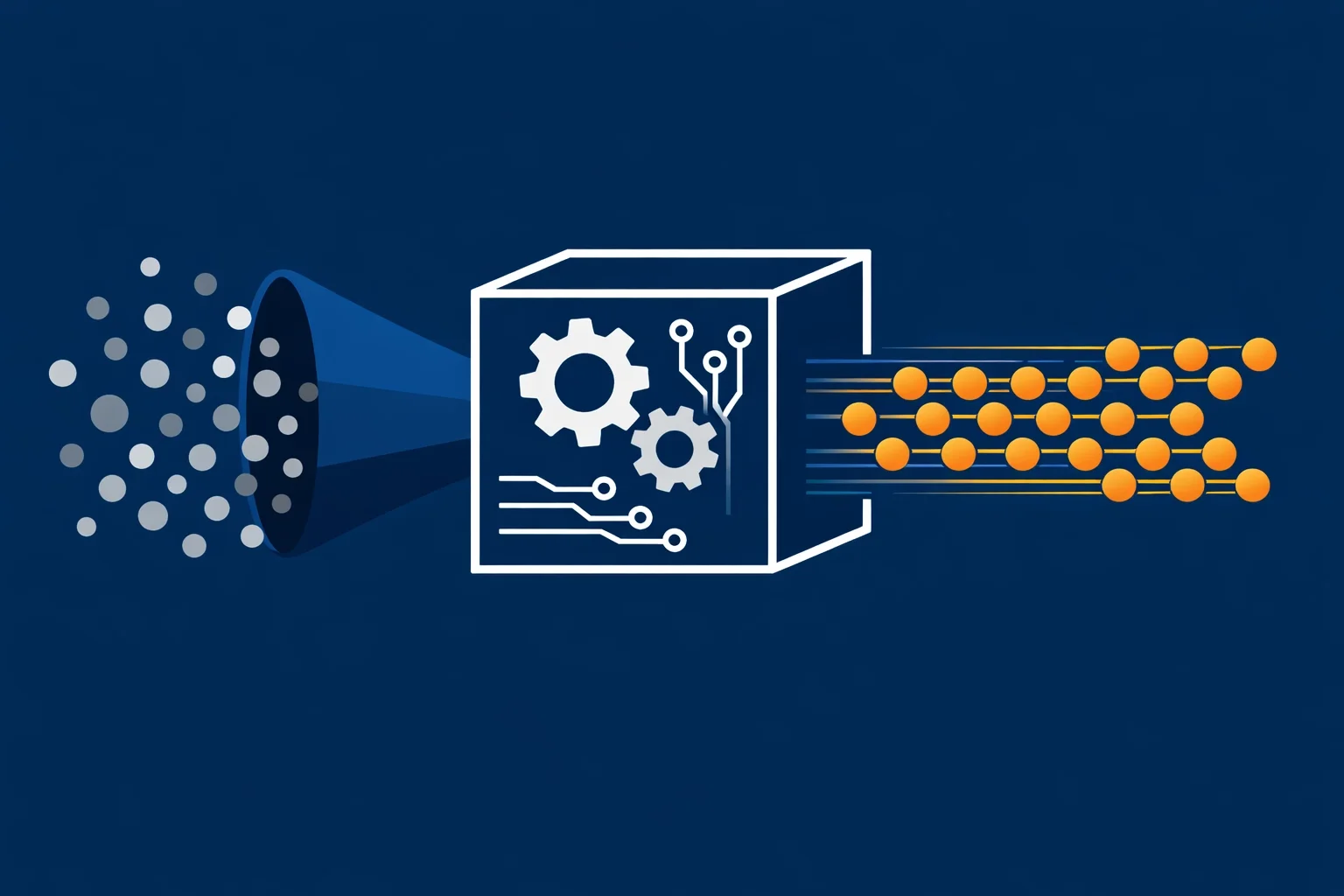
The best way to turn your data into an asset is to start small with AI and data initiatives.
Pick one specific use case. Maybe it’s optimizing your inventory or improving customer service response times, and then nail it.
Prove the value. Show the ROI. Then, use that momentum to tackle the next thing.
At Full Score Data, we specialize in helping businesses find those "quick wins" while building a long-term foundation that actually lasts. Whether you’re looking at our services for a specific project or need a full-scale strategy overhaul, the goal is always the same: making your data work for you, not the other way around.
Final Thoughts, The Hard Truth
The gap between the "data-haves" and the "data-have-nots" is widening every day. In 2026, companies that treat data as their most valuable asset are the ones setting the pace for the entire global economy.
Don't ask "How much data do we have?" Ask "How much of our data can we actually trust and act on right now?"
The answer to that question will tell you exactly where your business is headed.
Your data is either your greatest engine for growth or your heaviest anchor; the difference lies entirely in your strategy and governance.
If you’re ready to stop guessing and start growing, let’s talk. You can reach out to us at Full Score Data to start building your 2026 data roadmap.
